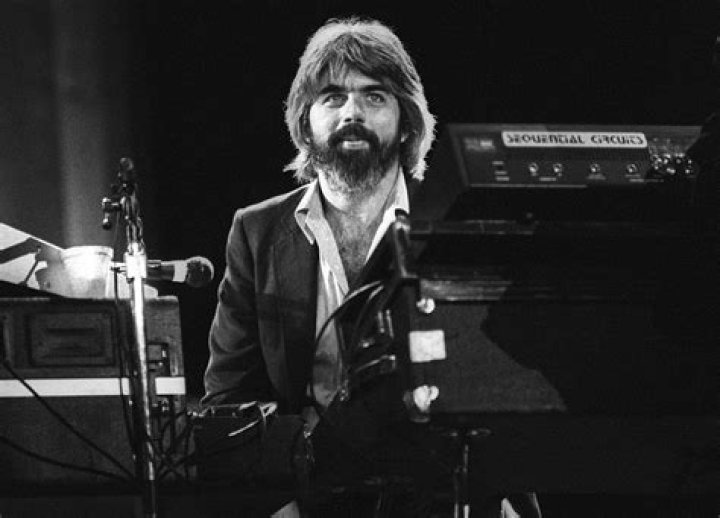
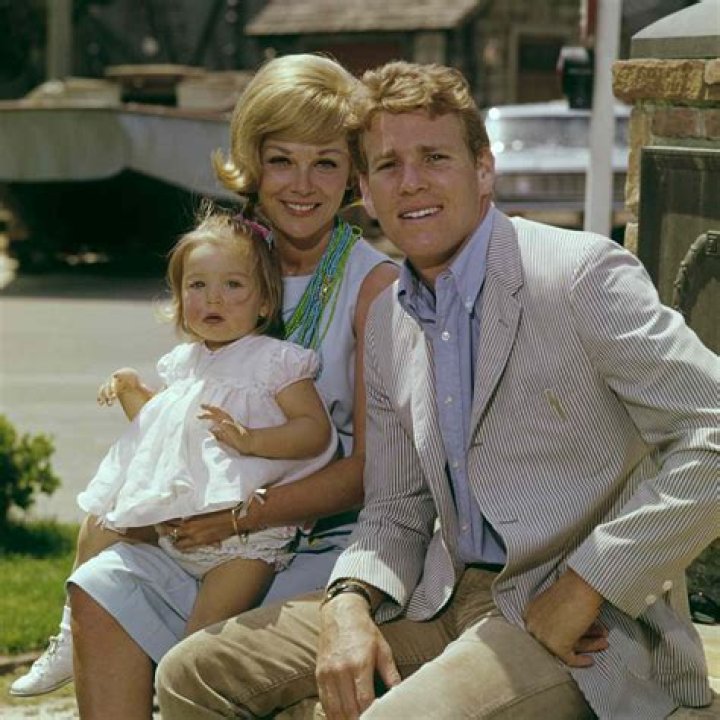
Hairstyles in the 1970s were an iconic reflection of the era's culture, music, and fashion. This decade was a transformative period that embraced individuality and self-expression. From the glamorous looks of Hollywood stars to the rebellious styles of rock legends, the 1970s popular hairstyles left a lasting impact on the beauty industry and continue to inspire modern trends today.
The 1970s was a decade of experimentation and creativity. Hairstyles were not just about aesthetics; they were statements that defined personal identity and cultural movements. Whether it was the flowing locks of the hippie movement or the slicked-back styles of disco nights, hair played a crucial role in shaping the era's visual landscape.
As we delve deeper into this article, you'll discover the fascinating history behind the most iconic hairstyles of the 1970s. We'll explore the cultural significance, styling techniques, and the celebrities who popularized these looks. Whether you're a history enthusiast, a fashion lover, or simply curious about the decade's iconic trends, this article will provide valuable insights into the world of 1970s hairstyles.
1970s Popular Hairstyles Overview
The 1970s was a decade of bold and diverse hairstyles. From long, flowing locks to tightly curled bobs, the variety was immense. The era's hairstyles were heavily influenced by cultural movements, music genres, and celebrity trends. The hippie movement, disco culture, and punk rock all contributed to the unique styles that defined the decade.
One of the most notable trends was the embrace of natural and organic looks, reflecting the era's focus on environmental consciousness and individuality. Women often opted for loose, unstructured hairstyles, while men experimented with longer hair and beards. This section will explore the key hairstyles that dominated the 1970s, including feathered cuts, afros, and the iconic Farrah Fawcett hairstyle.
Key Hairstyles of the 1970s
- Feathered Cuts
- Afros
- Shag Hairstyles
- Pageboy Bobs
- Long and Layered Looks
Cultural Impact of 1970s Hairstyles
Hairstyles in the 1970s were more than just a fashion statement; they were a reflection of societal changes and cultural shifts. The decade was marked by significant movements such as the feminist movement, civil rights activism, and the rise of counterculture. These influences were evident in the hairstyles that emerged during this time.
For instance, the Afro hairstyle became a symbol of Black pride and empowerment, while the feathered cut represented the mainstream appeal of television shows like "Charlie's Angels." The cultural impact of these hairstyles extended beyond personal style, influencing fashion, media, and even politics.
Hairstyles as Political Statements
Many hairstyles in the 1970s carried political and social significance. The natural, unstyled look embraced by hippies was a direct response to the Vietnam War and societal norms. Similarly, the punk movement's edgy hairstyles, such as mohawks and brightly dyed hair, challenged traditional values and promoted rebellion against the establishment.
Hippie Hairstyles: Embracing Freedom
Hippie hairstyles epitomized the free-spirited nature of the 1970s. Long, flowing hair was a hallmark of this movement, symbolizing a rejection of conventional beauty standards. Both men and women embraced this look, often accessorizing their hair with flowers, scarves, or beads to enhance the bohemian aesthetic.
One of the most popular hippie hairstyles was the "bedhead" look, which involved intentionally messy and tousled hair. This style was achieved by allowing hair to air-dry naturally, avoiding the use of heat tools and styling products. The emphasis was on simplicity and authenticity, aligning with the movement's values.
How to Achieve the Hippie Hairstyle
- Wash hair with a gentle shampoo and conditioner.
- Avoid using styling products that weigh down the hair.
- Let hair air-dry for a natural, tousled effect.
- Add accessories like flowers or scarves for a finishing touch.
Disco Hairstyles: Glamour Meets Movement
Disco culture brought a new wave of glamour and sophistication to the 1970s hairstyles. The rise of disco music and dance clubs inspired hairstyles that were both sleek and stylish. Women often opted for bouncy curls or voluminous blowouts, while men favored neatly combed-back looks with a touch of shine.
The iconic Farrah Fawcett hairstyle, characterized by its feathered layers and flipped ends, became a staple of disco fashion. This look was achieved using advanced styling techniques and products, reflecting the era's emphasis on polished appearances. Disco hairstyles were designed to withstand long nights of dancing, ensuring that hair remained intact even after hours of movement.
Styling Products for Disco Hairstyles
To achieve the perfect disco hairstyle, individuals relied on a range of styling products, including:
- Hair mousse for volume and texture.
- Hair spray for hold and shine.
- Hot tools like curling irons and blow dryers for shaping.
Celebrity Influence on Hairstyles
Celebrities played a pivotal role in popularizing 1970s hairstyles. Their influence extended beyond the silver screen, inspiring millions of fans to emulate their looks. From Cher's dramatic afros to Diana Ross's sleek bobs, celebrities set the trends that defined the decade.
One of the most influential figures was Farrah Fawcett, whose iconic hairstyle became a global phenomenon. Her feathered cut was featured on the cover of Redbook magazine in 1976, sparking a wave of imitations. Other notable celebrities, such as Cher, Donna Summer, and David Bowie, also contributed to the era's diverse range of hairstyles.
Iconic Hairstyles of Celebrities
- Farrah Fawcett - Feathered Cut
- Cher - Afro
- Donna Summer - Voluminous Curls
- David Bowie - Ziggy Stardust Look
Styling Products in the 1970s
The 1970s saw the introduction of innovative styling products that revolutionized hair care. Brands like L'Oreal, Clairol, and Vidal Sassoon developed formulations specifically designed for the era's popular hairstyles. These products enabled individuals to achieve and maintain their desired looks with greater ease.
Key styling products of the 1970s included:
- Hair spray for hold and shine.
- Hair mousse for volume and texture.
- Gel for styling and definition.
- Conditioners for hydration and manageability.
Advancements in Hair Care Technology
During the 1970s, advancements in hair care technology led to the development of more effective and user-friendly products. These innovations allowed individuals to experiment with their hairstyles while maintaining healthy hair. The emphasis on both style and care contributed to the decade's enduring legacy in the beauty industry.
Maintaining 1970s Hairstyles
Maintaining 1970s hairstyles required regular care and attention. Whether it was the feathered cut or the Afro, each style demanded specific techniques and products to ensure longevity and appearance. Proper hair maintenance involved regular washing, conditioning, and styling to keep hair looking fresh and vibrant.
For example, individuals with feathered cuts needed to use volumizing products and hot tools to maintain the desired shape and texture. Those with Afros relied on moisturizing treatments and protective styling to keep their hair healthy and manageable. These practices ensured that hairstyles remained in peak condition throughout the decade.
Tips for Maintaining 1970s Hairstyles
- Wash hair regularly with a suitable shampoo and conditioner.
- Use styling products designed for your specific hair type.
- Protect hair from heat damage when using hot tools.
- Regularly trim split ends to maintain healthy hair.
Modern Revival of 1970s Hairstyles
The influence of 1970s hairstyles continues to resonate in modern fashion. Many of the era's iconic looks have experienced a resurgence in popularity, often reinterpreted for contemporary audiences. Feathered cuts, Afros, and shag hairstyles have all made appearances on runways and red carpets, proving that the 1970s trends remain relevant today.
Designers and stylists frequently draw inspiration from the 1970s, incorporating elements of the decade's hairstyles into their collections. This revival is a testament to the timeless appeal of these looks and their ability to transcend generations.
Why 1970s Hairstyles Are Still Popular
The enduring popularity of 1970s hairstyles can be attributed to their versatility and adaptability. Whether worn in their original form or updated with modern twists, these styles continue to captivate audiences. Their association with cultural movements and iconic celebrities adds an extra layer of appeal, making them a favorite among fashion enthusiasts.
Styling Tips for Achieving 1970s Looks
Recreating 1970s hairstyles at home is easier than you might think. With the right tools and techniques, you can achieve a variety of looks inspired by the decade's most popular styles. Here are some tips to help you get started:
- Use a wide-tooth comb to detangle hair before styling.
- Apply a heat protectant before using hot tools.
- Experiment with different styling products to find the perfect match for your hair type.
- Practice patience and persistence to master the desired look.
Tools You'll Need
- Hairbrush
- Curling iron or hot rollers
- Hair spray
- Styling gel or mousse
Conclusion
The 1970s was a decade that celebrated individuality and self-expression through its diverse range of hairstyles. From the free-spirited looks of the hippie movement to the glamorous styles of disco culture, the era's hairstyles left an indelible mark on fashion history. By exploring the cultural significance, styling techniques, and celebrity influences of 1970s hairstyles, we gain a deeper appreciation for their lasting impact.
We invite you to share your thoughts and experiences in the comments below. Have you tried recreating any 1970s hairstyles? What challenges did you face, and how did you overcome them? For more articles on fashion, beauty, and history, be sure to explore our website. Thank you for reading, and we hope you enjoyed this journey through the iconic hairstyles of the 1970s!