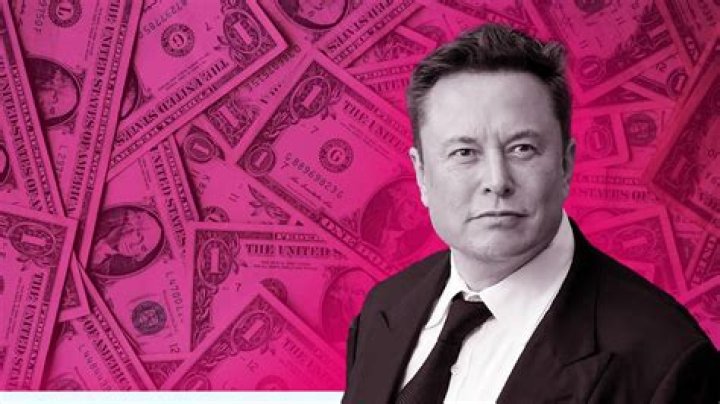
Celebrity death hoaxes have become a widespread phenomenon in today's digital age, where misinformation spreads rapidly across social media platforms. These false reports not only mislead fans but also create significant emotional distress for those who genuinely care about the celebrities involved. Understanding the root causes and mechanisms behind these hoaxes is crucial to combat misinformation effectively.
In an era dominated by social media and online news outlets, celebrity death hoaxes often go viral within minutes, leaving little time for fact-checking. The speed at which information travels on the internet has made it easier for fake news to thrive, especially when it involves high-profile personalities. This article aims to shed light on the factors contributing to this issue and provide actionable solutions for identifying and preventing such hoaxes.
By exploring the psychology behind why people fall for these hoaxes, as well as the role played by social media algorithms, we can better equip ourselves to navigate the complex landscape of online information. Ultimately, understanding the impact of celebrity death hoaxes on both individuals and society as a whole will help us develop strategies to mitigate their harmful effects.
Understanding Celebrity Death Hoaxes
What Are Celebrity Death Hoaxes?
Celebrity death hoaxes refer to false reports or rumors claiming that a famous individual has passed away when they are actually alive and well. These hoaxes often spread quickly through social media platforms, news websites, and even traditional media outlets, causing widespread panic among fans and followers. The prevalence of these hoaxes has increased significantly in recent years due to the rapid dissemination of information on the internet.
Some notable examples of celebrity death hoaxes include reports of the deaths of Morgan Freeman, Jeff Bezos, and Taylor Swift, all of which were later debunked. Despite the lack of credible evidence supporting these claims, they managed to gain traction online, demonstrating the power of misinformation in today's digital age.
Why Do Celebrity Death Hoaxes Spread?
Several factors contribute to the rapid spread of celebrity death hoaxes. First, the shock factor associated with unexpected news often leads people to share it without verifying its authenticity. Additionally, the emotional connection fans have with their favorite celebrities makes them more susceptible to believing false reports. Finally, social media algorithms tend to prioritize sensational content, further amplifying the reach of these hoaxes.
Research conducted by the Pew Research Center indicates that approximately 62% of adults in the United States get their news from social media, highlighting the significant role these platforms play in shaping public perception. As a result, combating celebrity death hoaxes requires a multi-faceted approach involving both individual responsibility and platform regulation.
The Psychology Behind Falling for Hoaxes
Emotional Triggers and Cognitive Biases
Human psychology plays a crucial role in why people fall for celebrity death hoaxes. Emotional triggers such as fear, sadness, or surprise can cloud judgment, making individuals more likely to accept false information without questioning its validity. Furthermore, cognitive biases like confirmation bias and availability heuristic contribute to the tendency to believe information that aligns with pre-existing beliefs or recent experiences.
For example, if someone recently read about a celebrity's health struggles, they may be more inclined to believe a death hoax involving that same celebrity. Similarly, individuals who already distrust certain media outlets may be more susceptible to accepting alternative narratives, even if they lack credibility.
Groupthink and Social Proof
Another psychological factor contributing to the spread of celebrity death hoaxes is groupthink. When a large number of people share the same information, it creates a sense of social proof, making it more difficult for individuals to question its accuracy. This phenomenon is exacerbated by the echo chamber effect, where social media algorithms reinforce existing beliefs by showing users content that aligns with their preferences.
Breaking free from groupthink requires critical thinking and a willingness to challenge widely accepted narratives. Encouraging media literacy and fact-checking skills can help individuals develop the necessary tools to distinguish between credible information and misinformation.
The Role of Social Media in Hoax Propagation
How Social Media Algorithms Work
Social media platforms rely on complex algorithms to determine which content is displayed to users. These algorithms prioritize content that generates high engagement, such as likes, shares, and comments, regardless of its accuracy. As a result, sensational or controversial content often receives more visibility than factual information, creating an environment where misinformation can thrive.
For instance, a false report about a celebrity's death may generate significant engagement due to the shock factor, leading to increased visibility and further spreading the hoax. Addressing this issue requires platform developers to rethink their algorithms and prioritize credible sources over sensational content.
Combatting Misinformation on Social Media
To combat the spread of celebrity death hoaxes on social media, platforms must implement measures to promote credible information and discourage the sharing of unverified content. Some potential solutions include:
- Introducing fact-checking tools and partnerships with reputable organizations to verify information before it goes viral.
- Encouraging users to report suspicious content and providing clear guidelines for evaluating the credibility of sources.
- Developing educational campaigns to promote media literacy and critical thinking skills among users.
Impact of Celebrity Death Hoaxes
Emotional Toll on Fans
Celebrity death hoaxes can have a profound emotional impact on fans, causing feelings of grief, anger, and betrayal. The sudden and unexpected nature of these reports often leads to a heightened emotional response, making it difficult for individuals to process the information rationally. Furthermore, the widespread sharing of false information can create a sense of collective trauma, amplifying the emotional toll.
Research published in the Journal of Social and Clinical Psychology highlights the negative effects of exposure to misinformation, including increased anxiety and decreased trust in media sources. Addressing the emotional impact of celebrity death hoaxes requires empathy and understanding from both individuals and organizations involved in disseminating information.
Economic and Professional Consequences
False reports of a celebrity's death can also have significant economic and professional consequences. For example, stock prices may fluctuate based on rumors about a company's CEO, while endorsement deals and collaborations may be put on hold until the situation is clarified. Additionally, the reputational damage caused by these hoaxes can affect a celebrity's career prospects and public image.
Organizations must develop strategies to mitigate the impact of celebrity death hoaxes, including rapid response teams and transparent communication channels. By addressing these issues proactively, they can minimize the potential harm caused by misinformation.
Notable Celebrity Death Hoaxes
Case Study: Morgan Freeman
One of the most well-known celebrity death hoaxes involved actor Morgan Freeman. In 2016, a fake news website published an article claiming that Freeman had passed away at the age of 79. The article quickly went viral, with many prominent figures and media outlets sharing the false report before it was debunked. This incident highlighted the dangers of relying on unverified sources and the need for greater media literacy among the public.
To prevent similar incidents in the future, individuals must prioritize fact-checking and seek information from credible sources before sharing potentially harmful content.
Case Study: Jeff Bezos
In 2020, a false report of Amazon CEO Jeff Bezos' death circulated on social media platforms. The hoax gained traction due to the high-profile nature of Bezos and his influence on global markets. Despite being quickly debunked, the incident caused temporary fluctuations in Amazon's stock price, demonstrating the potential economic impact of celebrity death hoaxes.
Companies must develop contingency plans to address misinformation affecting their leaders and stakeholders, ensuring timely and accurate communication during crises.
Preventing Celebrity Death Hoaxes
Promoting Media Literacy
One of the most effective ways to combat celebrity death hoaxes is by promoting media literacy among the general public. Educating individuals on how to evaluate the credibility of sources and identify misinformation can empower them to make informed decisions about the information they consume and share.
Schools, community organizations, and online platforms can collaborate to develop educational programs focused on critical thinking and fact-checking skills. By fostering a culture of media literacy, we can reduce the spread of misinformation and its associated harms.
Encouraging Responsible Journalism
Journalists and media organizations play a critical role in combating celebrity death hoaxes by prioritizing accuracy and credibility over sensationalism. Implementing strict verification processes and adhering to ethical standards can help ensure that the information disseminated to the public is reliable and trustworthy.
Furthermore, media outlets should actively participate in fact-checking initiatives and collaborate with third-party organizations to verify information before publication. By setting an example of responsible journalism, they can contribute to a more informed and discerning society.
Conclusion
Celebrity death hoaxes represent a significant challenge in today's digital age, where misinformation spreads rapidly and has far-reaching consequences. By understanding the factors contributing to these hoaxes and implementing strategies to combat them, we can create a more informed and discerning society. Promoting media literacy, encouraging responsible journalism, and addressing the emotional and economic impact of hoaxes are essential steps toward achieving this goal.
We invite you to join the conversation by sharing your thoughts and experiences in the comments section below. Together, we can work towards a future where credible information prevails over misinformation, benefiting both individuals and society as a whole.