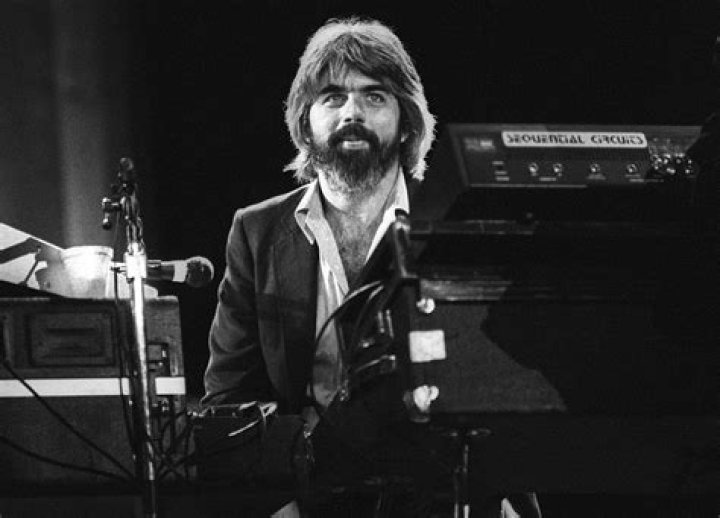
Jon Stewart is one of the most celebrated comedians and television personalities of our time, but his journey to fame began with humble roots and a relentless pursuit of humor. Long before he became the iconic host of "The Daily Show," Stewart was carving out his path in the world of comedy. His early years laid the foundation for a career that would later redefine political satire and comedic journalism. This article delves into his early life, career beginnings, and the pivotal moments that shaped his rise to prominence.
Understanding the early days of Jon Stewart provides a fascinating glimpse into the development of his comedic style and worldview. From his formative years to his initial forays into stand-up comedy, this article explores how Stewart's unique voice emerged and evolved. His journey serves as an inspiration to aspiring comedians and content creators alike.
This article also examines the factors that contributed to Stewart's success, including his educational background, influences, and the challenges he faced during the early stages of his career. By exploring these aspects, we gain a deeper appreciation for the man behind the comedy and the impact he has had on modern media.
Biography: The Early Life of Jon Stewart
Jon Stewart was born on November 29, 1962, in New York City, USA. His full name is Jonathan Stuart Leibowitz, and he grew up in a family that valued education and the arts. Stewart's parents instilled in him a love for storytelling and a keen sense of humor, which would later become defining traits of his career. Below is a table summarizing key details about Jon Stewart's personal life:
| Full Name | Jonathan Stuart Leibowitz |
|---|---|
| Date of Birth | November 29, 1962 |
| Place of Birth | New York City, USA |
| Profession | Comedian, Writer, Actor, Television Host |
| Education | Bachelor of Arts in Psychology from The College of William & Mary |
Stewart's upbringing in a diverse and culturally rich environment played a significant role in shaping his worldview. His early exposure to various art forms and his family's emphasis on education provided him with a solid foundation for his future endeavors.
Early Education and Its Impact on Jon Stewart's Career
Jon Stewart attended The College of William & Mary, where he earned a Bachelor of Arts in Psychology. Although his degree was not directly related to comedy, his time in college was instrumental in honing his skills as a performer. While studying psychology, Stewart participated in various theatrical productions and comedy clubs, which allowed him to experiment with different styles of humor.
Key Takeaways from His College Years
- Stewart's psychology background helped him understand human behavior, which became a valuable asset in his comedic performances.
- His involvement in theater and comedy clubs during college provided him with practical experience and exposure to the entertainment industry.
- The collaborative nature of theater productions taught him the importance of teamwork and adaptability, traits that would later serve him well in his career.
These experiences laid the groundwork for Stewart's transition into professional comedy and demonstrated the importance of education in shaping his career trajectory.
Jon Stewart's Early Career: Breaking into Stand-Up Comedy
After graduating from college, Jon Stewart moved to Los Angeles to pursue a career in stand-up comedy. The late 1980s and early 1990s were a challenging time for comedians, but Stewart's unique style and relentless determination helped him stand out in a competitive industry. His early performances showcased his sharp wit and ability to connect with audiences through relatable humor.
Challenges Faced in the Early Days
- Breaking into the stand-up comedy scene required perseverance and resilience, as Stewart often performed in small clubs with limited exposure.
- He faced rejection and criticism from both audiences and industry professionals but remained committed to refining his craft.
- Despite the challenges, Stewart's passion for comedy drove him to continue performing and honing his skills.
Stewart's early career highlights the importance of persistence and dedication in achieving success in the entertainment industry.
Early Jontewart: Influences and Inspirations
Jon Stewart's comedic style was heavily influenced by legendary comedians and performers who paved the way for a new generation of humorists. Richard Pryor, George Carlin, and Robin Williams were among the key figures who inspired Stewart during his formative years. Their ability to tackle serious topics with humor and wit resonated deeply with Stewart and shaped his approach to comedy.
How These Influences Shaped His Style
- Richard Pryor's raw and honest storytelling encouraged Stewart to explore personal and societal issues in his performances.
- George Carlin's use of satire and social commentary inspired Stewart to incorporate political and cultural critiques into his comedy.
- Robin Williams' rapid-fire improvisation and versatility motivated Stewart to experiment with different comedic techniques.
These influences helped Stewart develop a distinctive voice that would later become synonymous with his brand of humor.
The Rise of Jon Stewart: Key Milestones in His Early Career
Jon Stewart's early career was marked by several pivotal moments that contributed to his rise to fame. From his first television appearances to his breakthrough roles, these milestones demonstrate the trajectory of his success. Below are some of the key highlights from Stewart's early years:
Notable Achievements
- Stewart's first television appearance on "The Jon Stewart Show," which aired on MTV, marked the beginning of his transition from stand-up comedy to television.
- His role as a correspondent on "The Late Show with David Letterman" further solidified his reputation as a skilled comedic performer.
- In 1999, Stewart became the host of "The Daily Show," a position that would redefine his career and establish him as a leading voice in political satire.
These milestones underscore the significance of early opportunities in shaping a successful career in the entertainment industry.
Jon Stewart's Contribution to Political Satire
Jon Stewart's impact on political satire cannot be overstated. His tenure as the host of "The Daily Show" revolutionized the way audiences consumed news and entertainment. By blending humor with insightful commentary, Stewart created a platform that educated and entertained millions of viewers worldwide.
Key Contributions to the Genre
- Stewart's ability to simplify complex political issues and present them in an engaging manner made him a trusted source of information for many viewers.
- His commitment to addressing social justice issues and holding powerful figures accountable set a new standard for comedy in the media landscape.
- Through "The Daily Show," Stewart inspired a generation of comedians and journalists to use humor as a tool for social change.
Stewart's influence on political satire continues to resonate in the industry, highlighting the enduring legacy of his work.
Early Jontewart: Lessons Learned and Personal Growth
Throughout his early career, Jon Stewart faced numerous challenges that contributed to his personal and professional growth. These experiences taught him valuable lessons about resilience, adaptability, and the importance of staying true to one's values. Below are some of the key takeaways from Stewart's early years:
Lessons from the Early Days
- Perseverance is essential in overcoming obstacles and achieving long-term success.
- Embracing failure as a learning opportunity can lead to personal and professional growth.
- Staying authentic and true to one's values is crucial in maintaining credibility and building a loyal audience.
These lessons continue to inspire aspiring comedians and content creators to pursue their passions with dedication and integrity.
Jon Stewart's Impact on Modern Media
Jon Stewart's influence on modern media extends beyond his contributions to political satire. His work has had a profound impact on the way audiences consume news and entertainment, as well as the role of comedians in shaping public discourse. Below are some of the ways Stewart has influenced the media landscape:
Key Contributions to Modern Media
- Stewart's use of humor to address serious issues has encouraged media outlets to adopt more creative approaches to storytelling.
- His emphasis on authenticity and transparency has inspired a new generation of journalists and comedians to prioritize integrity in their work.
- Through "The Daily Show," Stewart has demonstrated the power of comedy as a tool for social change and public engagement.
Stewart's impact on modern media highlights the importance of innovation and authenticity in shaping the future of the industry.
Conclusion: The Legacy of Early Jon Stewart
In conclusion, Jon Stewart's early career laid the foundation for a remarkable journey that would redefine political satire and comedic journalism. From his humble beginnings in stand-up comedy to his groundbreaking work on "The Daily Show," Stewart's dedication to humor, authenticity, and social justice has left an indelible mark on the entertainment industry. His influence continues to inspire a new generation of comedians and journalists to pursue their passions with integrity and creativity.
We invite you to share your thoughts on Jon Stewart's early career and its impact on modern media. Leave a comment below or explore other articles on our site to learn more about the fascinating world of comedy and entertainment. Thank you for reading, and we hope you enjoyed this comprehensive look at the early days of Jon Stewart.