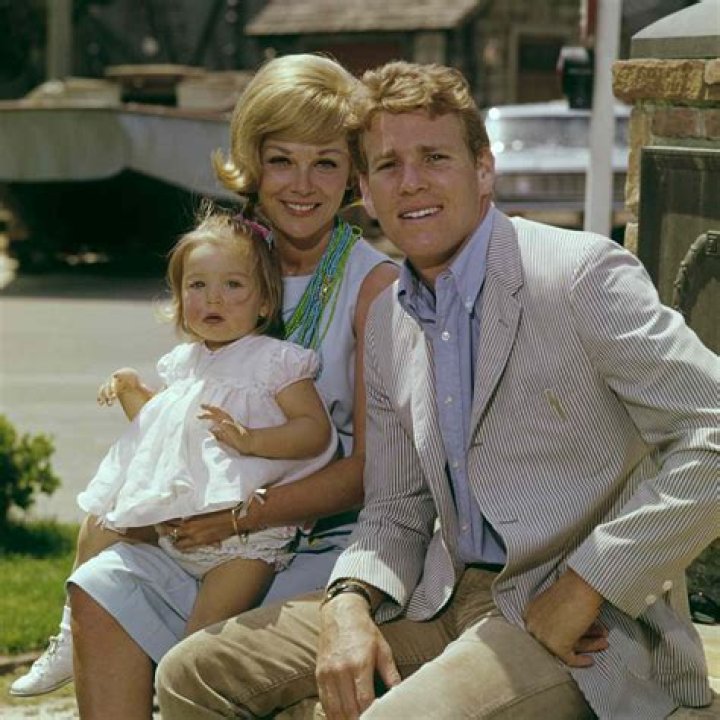
Rob Morrow, the talented actor best known for his role in the hit TV series "Northern Exposure," has faced significant health challenges in recent years. As fans and admirers of his work, it is essential to understand the nature of his illness and how it has impacted his life. This article delves into the details of Rob Morrow's health journey, offering insights and reliable information to keep you informed.
Beyond his illustrious career, Rob Morrow's battle with illness has become a focal point for many fans. His resilience and determination to overcome adversity serve as an inspiration to millions around the world. By exploring his health struggles, we can gain a deeper appreciation for the challenges faced by public figures and the importance of mental and physical well-being.
In this article, we will provide a comprehensive overview of Rob Morrow's illness, including its causes, symptoms, treatment options, and the support systems in place. We aim to present this information in a way that is both informative and empathetic, ensuring that readers leave with a better understanding of his journey.
Biography of Rob Morrow
Early Life and Career
Before diving into Rob Morrow's health challenges, it is important to understand his background and career. Rob Morrow was born on February 28, 1962, in Evanston, Illinois. He developed a passion for acting at a young age and pursued this interest through theater and school performances. Morrow's breakthrough came when he landed the lead role of Dr. Joel Fleischman in "Northern Exposure," which earned him critical acclaim and numerous awards.
Besides "Northern Exposure," Morrow has appeared in several other notable projects, including "House M.D." and "The Night Shift." His versatility as an actor has allowed him to take on a wide range of roles, showcasing his talent and dedication to the craft.
Biodata of Rob Morrow
Below is a summary of Rob Morrow's personal information:
| Full Name | Robert David Morrow |
|---|---|
| Date of Birth | February 28, 1962 |
| Place of Birth | Evanston, Illinois, USA |
| Profession | Actor |
| Notable Works | Northern Exposure, House M.D., The Night Shift |
Understanding Rob Morrow Illness
The Onset of Health Issues
Rob Morrow's health issues first came to light in the early 2000s. While specific details about his condition were initially kept private, it later emerged that he had been diagnosed with bipolar disorder. This mental health condition is characterized by extreme mood swings, including emotional highs (mania or hypomania) and lows (depression).
According to research published in the National Library of Medicine, bipolar disorder affects approximately 2.8% of adults in the United States. It is a complex condition that requires careful management through medication, therapy, and lifestyle adjustments.
Symptoms of Bipolar Disorder
Key Indicators
The symptoms of bipolar disorder can vary widely depending on the individual and the severity of the condition. Some of the common symptoms include:
- Extreme mood swings
- Increased energy during manic episodes
- Difficulty concentrating
- Feelings of hopelessness or despair during depressive episodes
- Changes in sleep patterns
For Rob Morrow, these symptoms have had a profound impact on both his personal and professional life. Understanding the nuances of his condition helps shed light on the challenges he has faced.
Treatment Options for Bipolar Disorder
Medications and Therapy
Treating bipolar disorder involves a combination of medications and therapeutic interventions. Common medications prescribed for this condition include mood stabilizers, antipsychotics, and antidepressants. These medications help regulate mood swings and reduce the frequency and intensity of episodes.
In addition to medication, therapy plays a crucial role in managing bipolar disorder. Cognitive-behavioral therapy (CBT) and interpersonal and social rhythm therapy (IPSRT) are two widely used approaches that focus on improving coping skills and stabilizing daily routines.
Support Systems for Mental Health
Family and Friends
Having a strong support system is vital for individuals living with bipolar disorder. Rob Morrow has often credited his family and friends for providing the emotional and practical support needed to navigate his health challenges. The role of loved ones in encouraging treatment adherence and offering companionship cannot be overstated.
Support groups and community resources also play a significant role in helping individuals with bipolar disorder feel less isolated. These networks provide a safe space to share experiences and learn from others facing similar challenges.
Rob Morrow's Journey with Bipolar Disorder
Public Disclosures
Rob Morrow has been open about his struggles with bipolar disorder, using his platform to raise awareness and reduce stigma surrounding mental health issues. In interviews and public appearances, he has emphasized the importance of seeking help and prioritizing self-care.
His willingness to discuss his condition has inspired many fans and followers to seek treatment for their own mental health challenges. By sharing his story, Morrow has become a beacon of hope and resilience in the entertainment industry.
Impact on Career and Personal Life
Navigating Challenges
Bipolar disorder has undoubtedly affected Rob Morrow's career and personal life. There have been periods where he has taken breaks from acting to focus on his health and well-being. Despite these challenges, Morrow has continued to pursue his passion for acting, demonstrating incredible strength and perseverance.
His ability to balance his professional commitments with his mental health needs serves as a testament to his dedication and commitment. Fans have expressed admiration for his courage in facing adversity head-on.
Importance of Mental Health Awareness
Raising Awareness
Rob Morrow's journey highlights the importance of mental health awareness and education. By sharing his experiences, he has helped break down barriers and encourage open conversations about mental illness. This increased awareness is crucial for reducing stigma and promoting early intervention.
Organizations such as the National Alliance on Mental Illness (NAMI) and the World Health Organization (WHO) play a vital role in advocating for mental health rights and providing resources for individuals in need. Supporting these initiatives can help create a more compassionate and understanding society.
Lessons from Rob Morrow's Story
Inspiring Resilience
Rob Morrow's story is one of resilience and determination. Despite facing significant health challenges, he has continued to pursue his dreams and inspire others. His journey serves as a reminder that mental health struggles do not define a person's worth or potential.
By prioritizing self-care, seeking professional help, and leaning on support systems, individuals can overcome adversity and achieve their goals. Morrow's example encourages everyone to approach mental health with empathy and understanding.
Call to Action
Take the Next Step
As we conclude this article, we invite you to take action in supporting mental health awareness. Whether it's sharing this article with others, reaching out to someone in need, or educating yourself further on mental health topics, every small step counts.
For those interested in learning more, we recommend visiting reputable sources such as the World Health Organization and the National Alliance on Mental Illness. Together, we can create a world where mental health is treated with the same importance as physical health.
Conclusion
In summary, Rob Morrow's illness has been a significant part of his life journey. By openly discussing his struggles with bipolar disorder, he has become a powerful advocate for mental health awareness. Understanding the nature of his condition, its symptoms, and treatment options provides valuable insights into the challenges faced by those living with mental illness.
We encourage you to engage with this article by leaving a comment, sharing it with your network, or exploring other resources on mental health. Together, we can make a difference in reducing stigma and promoting well-being for all.