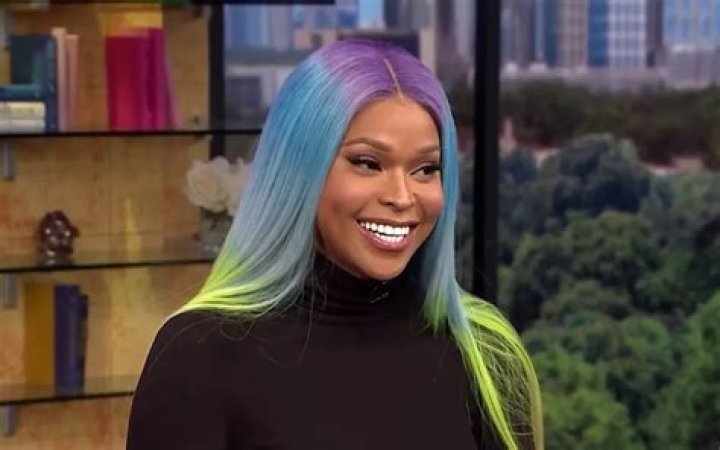
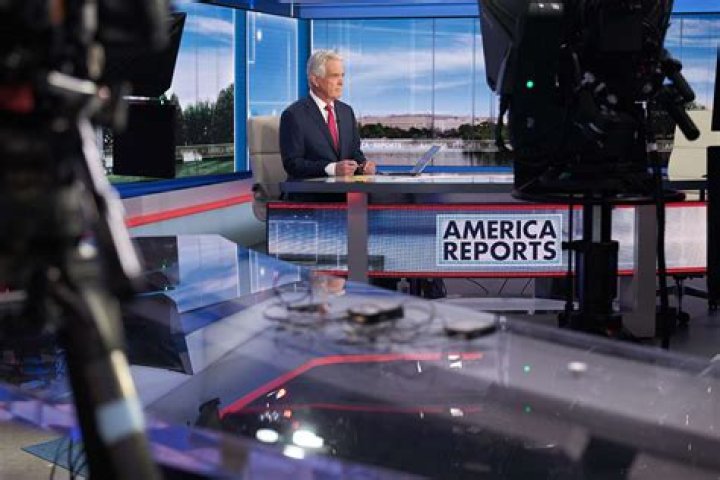
Sarah Haines, the prominent MSNBC anchor, recently sparked intense debate and discussion when her political preferences came to light. The revelation that Sarah Haines voted for Donald Trump has ignited a firestorm of reactions across social media and political circles. This unexpected twist in her personal life has left many questioning the dynamics of political allegiance and media objectivity.
In an era where political polarization is at an all-time high, the news that Sarah Haines, a well-known figure in liberal media circles, cast her ballot for a Republican president challenges conventional narratives. This revelation invites a deeper exploration into the complexities of personal political choices, media representation, and the nuances of political discourse.
This article will delve into the details surrounding Sarah Haines' political preferences, examining her background, the implications of her vote, and the broader context of political choices in contemporary America. Join us as we unravel the layers of this fascinating story, providing insights and analysis that go beyond the headlines.
Biography of Sarah Haines
Early Life and Career
Sarah Haines, born on July 14, 1976, in Detroit, Michigan, has carved out a distinguished career in journalism. She began her journey in media as a field producer for ABC News before transitioning into on-air roles. Her career trajectory includes stints at various news outlets, eventually landing her a prominent position as an anchor on MSNBC.
Data and Biodata
| Full Name | Sarah Haines |
|---|---|
| Date of Birth | July 14, 1976 |
| Place of Birth | Detroit, Michigan |
| Profession | Journalist and News Anchor |
| Employer | MSNBC |
Her professional background and experience in journalism highlight her expertise in navigating complex political and social issues, making her a respected voice in the media industry.
The Current Political Landscape
The political climate in the United States is marked by deep divisions and intense partisanship. Understanding the context in which Sarah Haines' vote for Trump occurred requires a closer look at the current political landscape. The 2020 presidential election was one of the most polarizing in recent history, with both major parties presenting starkly different visions for the nation's future.
- Democrats emphasized policies focused on climate change, healthcare reform, and social justice.
- Republicans, under the leadership of Donald Trump, championed economic growth, immigration control, and conservative values.
This dichotomy created a challenging environment for individuals whose personal beliefs did not align neatly with either party's platform.
Revealing the Vote
The revelation that Sarah Haines voted for Trump emerged during a private conversation that was later leaked to the public. This disclosure sent shockwaves through the media world, as it contradicted the perception of MSNBC anchors as uniformly aligned with Democratic values. The leak raised questions about privacy, media ethics, and the public's right to know the personal political preferences of media figures.
Key points to consider:
- The leak originated from a private setting, raising concerns about consent and confidentiality.
- Sarah Haines' response to the leak emphasized her right to personal political choices independent of her professional role.
Media Objectivity and Personal Politics
The Challenge of Maintaining Neutrality
In the realm of journalism, maintaining objectivity while having personal political beliefs is a delicate balancing act. Media professionals are often expected to set aside their personal views to provide unbiased reporting. However, the reality is that everyone brings their own perspectives to their work, and complete neutrality is nearly impossible to achieve.
Impact on Credibility
Sarah Haines' vote for Trump has sparked debates about whether her personal political choices affect her credibility as a journalist. While some argue that her professional integrity remains intact, others question whether her ability to report objectively on political issues is compromised.
Impact on Public Opinion
The news of Sarah Haines' vote has had a significant impact on public opinion, particularly among viewers who rely on MSNBC for their news. For some, this revelation undermines their trust in the network's commitment to impartiality. Others view it as a reminder that journalists are human beings with their own beliefs and that diversity of thought can enrich public discourse.
Reactions from the Public
The public response to Sarah Haines' vote has been mixed, with reactions ranging from disbelief to support. Social media platforms have been inundated with comments, memes, and discussions about the implications of her choice. Below are some common reactions:
- Supporters of Donald Trump have celebrated her decision, viewing it as a validation of the former president's appeal beyond traditional party lines.
- MSNBC viewers have expressed disappointment, questioning the network's alignment with progressive values.
- Many have called for a deeper conversation about the intersection of personal politics and media ethics.
In-depth Analysis of the Situation
Understanding the Context
While Sarah Haines' vote for Trump may seem surprising, it is essential to consider the broader context of political preferences in America. Many individuals, regardless of their professional affiliations, hold complex and multifaceted views that do not align perfectly with any single political party. This complexity underscores the need for a more nuanced understanding of political allegiance.
Implications for Journalism
This incident highlights the challenges faced by journalists in balancing personal beliefs with professional responsibilities. It also raises important questions about transparency and accountability in media. As the media landscape continues to evolve, finding ways to foster trust and credibility will remain a critical priority.
Historical Context of Political Preferences
Throughout American history, individuals have often defied political stereotypes, voting for candidates who align with their values rather than their perceived party affiliations. This trend is not new and has been documented in various elections. For example, during the 1960s, many Southern Democrats voted for Republican candidates due to their stance on civil rights issues.
Data from the Pew Research Center indicates that cross-party voting is more common than often assumed, with a significant percentage of voters supporting candidates from the opposing party in certain elections.
Future Implications for Media and Politics
The revelation of Sarah Haines' vote for Trump serves as a catalyst for reexamining the relationship between media, politics, and personal beliefs. Moving forward, media organizations may need to adopt more transparent policies regarding the political preferences of their employees. Additionally, fostering a culture of open dialogue and diversity of thought could enhance public trust in media institutions.
Conclusion and Final Thoughts
Sarah Haines' vote for Trump has ignited a much-needed conversation about the complexities of personal political choices and their intersection with professional roles. While the revelation has sparked controversy, it also offers an opportunity to explore the nuances of political allegiance and media ethics.
We invite you to join the discussion by leaving your thoughts in the comments section below. Share this article with your network and continue the dialogue. For more insights into politics, media, and current affairs, explore our other articles on the site.
In conclusion, the story of Sarah Haines' vote for Trump is a reminder that political preferences are deeply personal and cannot always be predicted based on professional affiliations. As we navigate an increasingly polarized political landscape, embracing diversity of thought and fostering open dialogue will be essential for a healthy democracy.